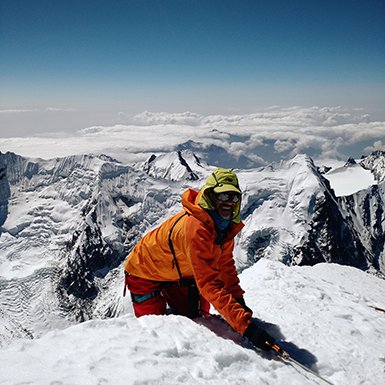
Mera Peak vs. Island Peak
The scenery and needs for climbing Mera Peak and Island Peak are identical. One of Nepal’s most significant climbing peaks, these two peaks have a moderate degree of difficulty. Similarly, Mera Peak Climbing differs from Island Peak Climbing in several important ways. You can see how these two peak-climbing methods differ from one another in the sections below.
Best time to climb
The ideal seasons for climbing Mera Peak are spring and autumn. The optimum times to summit Mera Peak are from February to March and November to December. Additionally, you can climb the island peak throughout the year. There won’t be any difficulties climbing Island Peak, excepting the severe monsoon season. It will be challenging to climb Island Peak, especially from May to July.
Climbing Duration
With a height of 6471 meters, Mera Peak’s summit is relatively high. Similar to that, completion will take about 18 days. The trekking distance for climbing Mera Peak is around 112 KM. Similar to the summit of Island of Peak, which is 6189 meters high and takes 11 to 13 days, the distance to Island Peak is between 80 and 90 kilometers.
Difficulty Level
One must be well-trained to climb Mera Peak and Island Peak, which exceed 6000 meters in height. Both are comparable in that they are of moderate difficulty. Mera Peak is trickier to climb than Island Peak, while both are equally challenging in various ways.
Cultural Aspect
During Mera Peak Climbing, you will pass through a lot, yet just a tiny portion of each community represents the entire heritage and culture of the region. As a result, while climbing Island Peak, you will experience the incredible culture and heritage of the Sherpa people.
Your awe will be piqued by the historical beauty of the Tengboche and Dingboche settlement’s culture, arts, and monasteries. The several towns that may be seen along the route to Island Peak will demonstrate the genuine spirit and culture of the people who live in Nepal’s eastern Himalayas.
No responses yet