3. Weather and Temperature
Unpredictable weather and temperature conditions are significant factors in Langtang Trek’s difficulty. Different seasons bring in different weather and climate in the Langtang region. The Autumn and spring seasons are the best time for Langtang Trek. Trekking reduces the difficulty of trekking as it offers the best trekking conditions.
During Autumn and spring, the weather and temperature are perfect for trekking. There is a meager chance of rainfall during these seasons, which helps avoid some possible difficulties.
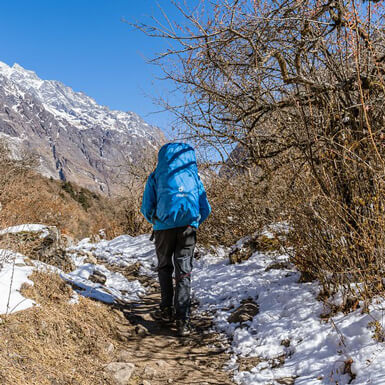
Besides these seasons, you will face harsh weather and unstable temperatures if you trek during winter or monsoon. In winter, the Langtang Region expects a large amount of snowfall. Thus, the trail is covered with snow making it difficult to walk. Along with that, the temperature ranges from 6-10 degrees and even falls to minus.
Likewise, the Langtang region faces heavy rainfall during monsoon, making the trail muddy and wet. Thus, walking on such a trail raises the chance of slipping. So, people avoid trekking during the monsoon and winter seasons due to such reasons.

Langtang Trek Difficulty – Snapshots of the gang near Riverside
4. Physical Fitness Required
As mentioned earlier, Langtang Trek is a moderately challenging trek, and average physical fitness is enough to complete the trek. That doesn’t mean that you can go on a hike without preparation. Thus, it would help if you were mentally and physically prepared to deal with any situation on the trek.
To make your trek easier, exercising regularly before the trek is essential. You can also go on a day’s hike with some uphill/downhill climbs. It will prepare you for the varying routes on the trekking trail.
Also, see:
Tips To Reduce Langtang Trek Difficulty
You already know that the difficulty level of the Langtang trek is moderate. Here are some tips to help you lessen the trek’s difficulty level.
1. Train yourself
Proper training is required for every trek you do. So, prepare yourself by doing some day hikes, swimming, and exercising regularly before starting your trek. Physical training will help you increase your stamina and endurance power. Thus, you will not feel the stress of the trek.
2. Pack comfortable hiking boots
During the trek, you will be continuously walking for days. So, having a comfortable pair of hiking boots is very crucial. Make sure the shoes fit perfectly and are pleased to walk before wearing them on the trek if they are new. If you don’t do that, they may cause blisters on the feet, making walking difficult.
3. Get proper clothing and gear.
Since the weather in the mountains is unpredictable, packing proper clothing and gear is very important. It would help if you packed the equipment to tackle every situation during the trek, such as cold weather and rain.
Pack waterproof/windproof clothing despite the season you are trekking. Also, carry the four-season sleeping bag and trekking poles.
Please read our “Langtang Valley Trek Packing List ” article for more detailed information.”

Langtang Trek Difficulty — Roof of the world on Tserko Ri
4. Eat Properly and Maintain Hydration
Have proper food and drink at least 2 liters of water daily during the Langtang trek. Try to eat enough food that is high in protein and carbohydrates. Also, carry some light snacks and protein bars for the trails. Having a proper diet and enough water helps you avoid health issues during the trek.
5. Stay on The Trekking Trail
Always stay on your Trekking trail. Avoid taking shortcuts. Do not try to put yourself in danger by getting away from the trail.
Also, see:
Conclusion
So, Langtang Trek is a moderate trek suitable for trekkers. You don’t have any technical training or previous trekking experience to do this trek. However, it would be much easier to engage in physical exercise before the hike to make your trekking experience less complicated and more comfortable.
Furthermore, don’t hesitate to contact us if you have more questions or queries regarding this trek or any other trek in Nepal.
No responses yet